
Home › US History › Revolutionary War › Boston Massacre
Road to Revolution · Boston, Massachusetts · March 5, 1770
The Boston Massacre, 1770
On a snowy Monday night in March 1770, a crowd of angry Bostonians surrounded eight British soldiers guarding the Custom House on King Street. Snowballs and insults turned into gunfire, and five colonists died. Patriots called it the Boston Massacre and used it to turn Americans against the redcoats, yet it was a Patriot lawyer, John Adams, who defended the soldiers in court.

“The Bloody Massacre perpetrated in King Street,” Paul Revere’s hand-colored engraving after Henry Pelham, 1770
Quick facts
The Boston Massacre at a glance
| When | Monday, March 5, 1770, at about 9 p.m. | |
| Where | King Street (now State Street), outside the Custom House and the Town House (Old State House), Boston | |
| Soldiers | Captain Thomas Preston and eight men of the 29th Regiment of Foot | |
| Crowd | Several hundred Bostonians, many of them sailors, apprentices and laborers | |
| Killed | Crispus Attucks, Samuel Gray, James Caldwell, Samuel Maverick (17) and Patrick Carr | |
| Wounded | Six more men were hit and survived | |
| Trials | Preston and six soldiers acquitted; two convicted of manslaughter and branded on the thumb | |
| Result | Troops moved out of town to Castle Island; a powerful Patriot symbol was born |
The big picture in 30 seconds
Why the Boston Massacre matters
- It showed what many colonists had feared: a standing army in a peaceful town could kill its people.
- Revere’s engraving made it one of the first great propaganda images in American history.
- The fair trial, with John Adams for the defense, showed the colonists’ respect for the rule of law.
- Boston marked every March 5 with a public speech until 1783, keeping anger at Britain alive.
5
colonists killed
6
more wounded
8
soldiers on King Street
2
soldiers convicted, of manslaughter only
How it began
An occupied town
British troops had been in Boston since October 1, 1768, sent to protect the customs officers who were collecting the Townshend duties. Bostonians hated them. Soldiers drilled on the Common, stood guard at the town neck and challenged citizens in the streets at night. Off duty, many looked for part-time work, competing for jobs with Boston’s poorest workers. Fistfights between soldiers and townspeople were common.
In early 1770 the tension boiled over. On February 22, a customs informer named Ebenezer Richardson fired into a crowd outside his house and killed 11-year-old Christopher Seider. Thousands came to the boy’s funeral. On March 2, soldiers looking for work brawled with rope makers at John Gray’s ropewalk, and both sides wanted revenge.
A quarrel over a wig bill
The trouble on March 5 began small. A wigmaker’s apprentice, Edward Garrick, shouted that a British officer had not paid his master’s bill. The lone sentry outside the Custom House, Private Hugh White, struck the boy with his musket. A crowd gathered, church bells began ringing as if for a fire, and more people poured into King Street.

Where it happened
King Street
King Street ran from the Town House, where the colony’s assembly met, down to Long Wharf and the harbor. It was the heart of Boston’s business district. The Main Guard, a British guardhouse, stood across from the Town House, so Captain Preston and his men had only a few yards to go when the sentry called for help.
Today the Old State House still stands, surrounded by office towers, and a circle of cobblestones in the street marks where the five men fell.
How the night unfolded
Fifteen minutes on King Street
Nobody planned what happened. It grew out of a crowd, a frightened guard and a captain trying to rescue him.
After Private White hits the apprentice, boys and young men surround him, calling him a “lobster” and pelting him with snowballs and ice. White loads his musket and calls for the guard.
Bells bring hundreds into the street. Captain Thomas Preston marches a corporal and six privates from the Main Guard to rescue White. They form a half circle, bayonets fixed.
The crowd presses in, daring them to shoot. Private Hugh Montgomery is knocked down by a club, gets up and fires. Others fire too. Someone shouted “Fire!”, but no one could prove it was Preston.
Three men die on the spot, one the next morning and one nine days later. Lieutenant Governor Hutchinson calms the crowd from the Town House balcony and promises an inquiry.
The trials
John Adams defends the soldiers
Captain Preston and his eight soldiers were arrested and charged with murder. Few lawyers would touch the case. John Adams, a 34-year-old Patriot lawyer, agreed to defend them, along with Josiah Quincy II, because he believed every person deserved a fair trial. Adams risked his reputation and his law practice to do it.
Preston was tried first, in October 1770, and acquitted because no one could prove he gave the order to fire. The soldiers’ trial followed in November and December. Adams argued that the men had faced a dangerous mob and fired in self-defense. Six were acquitted. Hugh Montgomery and Matthew Kilroy were found guilty of manslaughter. By claiming an old legal privilege called “benefit of clergy,” they escaped hanging and were branded on the thumb instead.
Remembering the dead
On March 8, 1770, about 10,000 people, well over half of Boston, followed the coffins of Attucks, Gray, Caldwell and Maverick to the Granary Burying Ground, where they were buried in one grave. Patrick Carr joined them after he died on March 14. Christopher Seider is buried there too.
People of the Massacre
Who was there

Of African and Native American descent, he had probably escaped slavery years before. The first to die, he became a hero to later generations. (Artist’s idea; no portrait from life exists.)
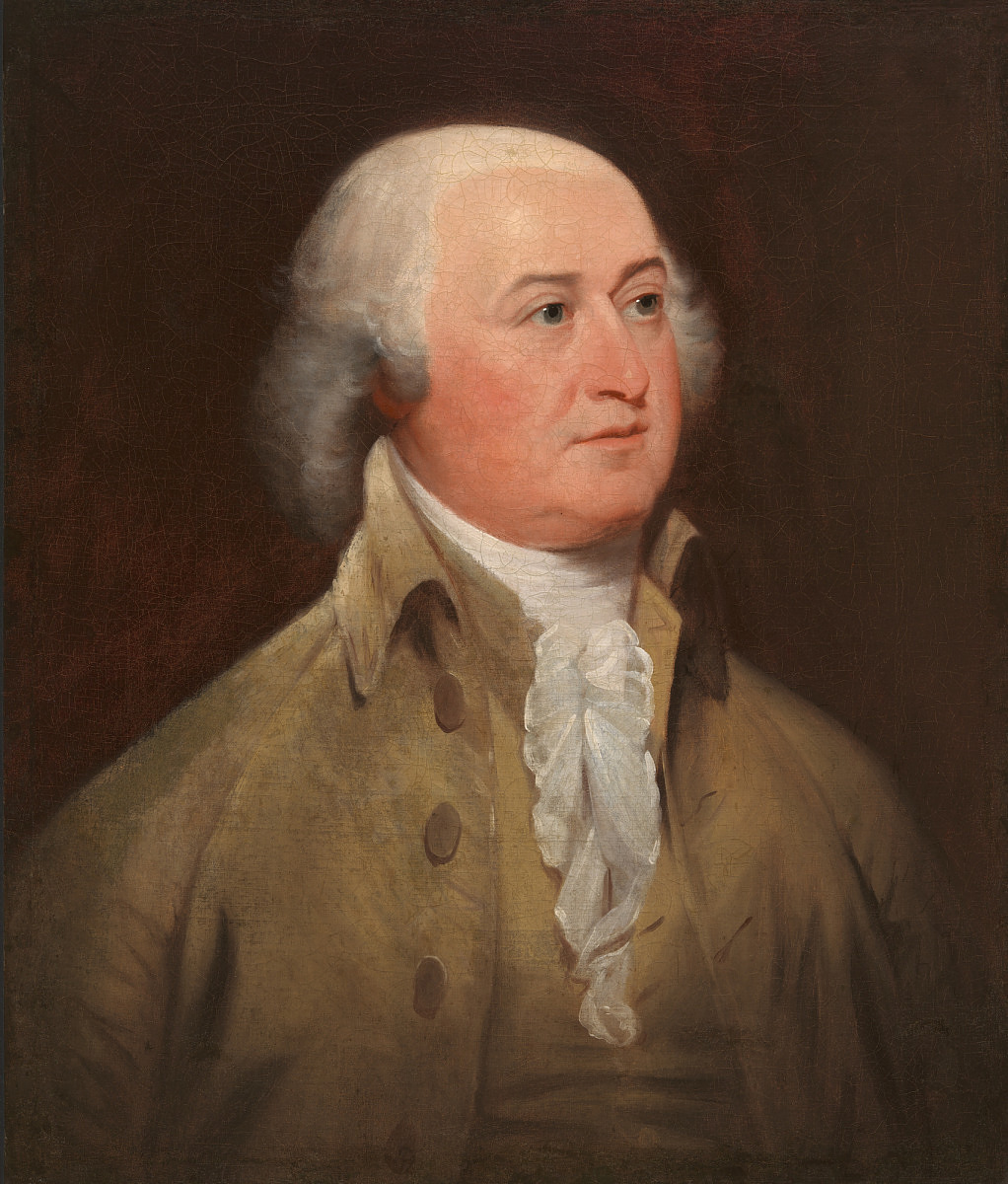
Defended Preston and the soldiers and won acquittals for most of them. Later the second President of the United States.

Copied Henry Pelham’s drawing and sold “The Bloody Massacre,” the print that told the story across the colonies.

The day after the shooting he led the town meeting that forced Hutchinson to move the troops out of Boston.
Why it mattered
Massacre Day
The morning after the shooting, Samuel Adams led a committee to the Town House and told Hutchinson that the town wanted both regiments gone. Hutchinson gave in, and within days the soldiers were moved to Castle William on an island in the harbor. On the same day as the massacre, in London, Lord North had asked Parliament to repeal the Townshend duties, all except the tax on tea. For the next three years Boston was fairly quiet.
But Patriots never let people forget March 5. Every year until 1783, Boston held a Massacre Day oration, given by leaders such as John Hancock and Dr. Joseph Warren. Revere’s engraving hung in homes and taverns. When the tea ships arrived in 1773, the memory of King Street helped bring thousands of Bostonians into the streets.
Picture and evidence
What the engraving shows, and what witnesses said
Paul Revere’s print was propaganda, and it worked. It is still the most famous picture of the event, so it is worth comparing with the sworn testimony given at the trials.
- ■Daytime, under a clear sky with a crescent moon
- ■A neat line of soldiers fires a volley on an officer’s order
- ■A calm, well-dressed crowd that is not fighting back
- ■Smoke from a window of the Custom House, renamed “Butcher’s Hall”
- ■The victims are shown as white men; Crispus Attucks is hard to pick out
- ■Published about three weeks later and sold across the colonies
- ■About 9 p.m., on a cold night with snow and ice on the ground
- ■Scattered shots by eight soldiers; whether Captain Preston ordered “Fire!” was never proved
- ■A crowd of several hundred throwing snowballs, ice, oyster shells and sticks, daring the soldiers to shoot
- ■No reliable proof that anyone fired from the Custom House
- ■Attucks, a sailor of African and Native American descent, was the first to fall
- ■A jury of Massachusetts men acquitted six soldiers and their captain
Week by week
From occupation to the trials
“Facts are stubborn things; and whatever may be our wishes, our inclinations, or the dictates of our passions, they cannot alter the state of facts and evidence.”
John Adams
Closing argument for the soldiers’ defense, December 4, 1770
What happened next
The Boston Tea Party, 1773
The tea tax that Parliament kept in 1770 set up the next showdown in Boston harbor.
Go deeper
Books and sources
- The Boston Massacre: A Family History, by Serena R. Zabin (2020)
- The Boston Massacre, by Hiller B. Zobel (1970)
- John Adams, by David McCullough (2001)
- More recommended books