
Home › World History › Age of Exploration › Vasco da Gama’s Voyage to India
Age of Exploration · Portugal to India · 1497–1499
The Voyage of Vasco da Gama to India (1497–1499): The Sea Route to Asia
The voyage of Vasco da Gama to India was the first voyage by sea from Europe to India. Da Gama left Lisbon in July 1497, sailed around the southern tip of Africa, and reached Calicut, on India’s southwest coast, in May 1498. The sea route he opened made Portugal rich and began five centuries of European empires in Asia.

Vasco da Gama, in a Portuguese portrait from the 1500s.
Quick facts
Vasco da Gama’s voyage at a glance
- Dates: July 8, 1497 (left Lisbon) to summer 1499 (back in Lisbon)
- Sponsor: King Manuel I of Portugal
- Ships: São Gabriel (flagship), São Rafael, Berrio and a supply ship
- Crew: About 170 men; only about 55 came home
- Distance: About 24,000 miles (38,000 km) there and back
- Arrived in India: May 20, 1498, near Calicut (today Kozhikode, Kerala)
- Goal: To reach the spice markets of India by sea and find Christian allies
- Result: The first sea route from Europe to Asia; Portugal soon controlled the spice trade of the Indian Ocean
The big picture in 30 seconds
Why da Gama’s voyage matters
- It linked Europe and Asia by sea for the first time.
- It broke the hold of Venice and the Middle East on the spice trade.
- It made tiny Portugal one of the richest powers in Europe.
- It began centuries of European empires in Asia.
4
ships
About 170
men
About 3 months
out of sight of land in the South Atlantic
About 2 in 3
men died, most of scurvy
The race for spices
Why Portugal sailed around Africa
Pepper, cinnamon, cloves and nutmeg were worth a fortune in Europe. They came from India and the islands beyond it, carried by Arab and Indian merchants across the Indian Ocean, then through Egypt and the Middle East to Venice. Every middleman raised the price. A sea route straight to India would cut them all out.
For 80 years Portuguese sailors had been working their way down the coast of Africa, encouraged at first by Prince Henry the Navigator. In 1488 Bartolomeu Dias rounded the Cape of Good Hope, the southern tip of Africa, and proved there was a way into the Indian Ocean.
Portugal’s answer to Columbus
When Columbus came back in 1493 claiming he had reached Asia by sailing west, Portugal hurried to finish the job by sailing east. King Manuel I chose Vasco da Gama, a tough nobleman of about 28 with no great voyages behind him, to lead the fleet. Dias himself helped design the ships.

Worth its weight in gold?
Not quite, but close. In the 1490s pepper bought in India sold in Europe for many times its price, and Europeans used it to flavor and preserve food.
The route
Around Africa to India
Instead of hugging the African coast, da Gama swung far out into the South Atlantic to catch the winds, a great arc of about 6,000 miles. His men did not see land for about three months, far longer than Columbus’s crews.
After rounding the Cape of Good Hope he sailed up the east coast of Africa, past Mozambique and Mombasa, to Malindi in today’s Kenya. There he found a pilot who knew the monsoon winds, and they crossed the Arabian Sea to India in just 23 days.
How the voyage unfolded
From Lisbon to Calicut and back
The voyage took two years and cost the lives of most of the men who sailed.
July 8, 1497: departure
Four ships leave Lisbon. They stop at the Cape Verde Islands, then head far out into the open Atlantic.
Autumn 1497: the great arc
For about three months the fleet sails out of sight of land before reaching St. Helena Bay, north of the Cape, on November 7.
November 22: round the Cape
The fleet rounds the Cape of Good Hope. At Christmas they pass a coast da Gama names Natal, the Portuguese word for Christmas.
March–April 1498: East Africa
In the Swahili trading cities, da Gama meets Arab traders. Mombasa is hostile, but the ruler of Malindi gives him a pilot to guide him to India.
May 20, 1498: India
The fleet anchors near Calicut. The local ruler, the Zamorin, receives da Gama but is unimpressed by his cheap gifts of cloth, hats and honey.
1498–1499: the voyage home
Sailing against the monsoon, the crossing back to Africa takes three months. Scurvy kills dozens of men, and one ship is burned for lack of a crew.
Calicut, May 1498
“Christians and spices”
Calicut was one of the great ports of the Indian Ocean, full of traders from Arabia, Persia, China and all of India. The first man da Gama sent ashore met two merchants from North Africa who spoke Spanish. One of them asked, “What brought you here?” The answer became famous: “We come in search of Christians and spices.”
The Portuguese had expected to find a Christian king. They even mistook Hindu temples for churches. The Zamorin welcomed trade, but Muslim merchants who controlled the spice trade saw the newcomers as rivals, and talks soon turned tense. Da Gama left at the end of August with a cargo of pepper and spices, and a few hostages.
A fortune in pepper
Only two of the four ships and about 55 men made it home. Even so, the spices they brought back were worth many times the cost of the whole expedition. King Manuel gave himself a new title: “Lord of the Conquest, Navigation and Commerce of Ethiopia, Arabia, Persia and India.”

The São Gabriel
Da Gama’s flagship was a carrack of about 90 feet, built for the voyage with advice from Bartolomeu Dias. Square sails made her faster with the wind behind her.
Key people
The people of the sea route to India

Vasco da Gama
about 1469–1524
Commander of the fleet
A hard, determined leader who made two more voyages to India. He died in Cochin in 1524, soon after being named viceroy of Portuguese India.

King Manuel I
1469–1521
King of Portugal
“The Fortunate” sent da Gama east and grew rich on the spice trade that followed. His reign was Portugal’s golden age.
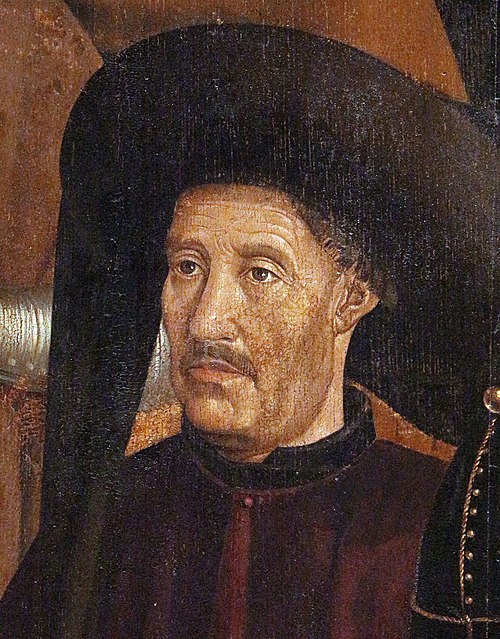
Prince Henry the Navigator
1394–1460
Patron of exploration
The prince who paid for the first Portuguese voyages down the coast of Africa, which led to da Gama’s success 40 years after his death.
Why it mattered
Europe reaches Asia
Portugal moved fast. In 1500 a much larger fleet under Pedro Álvares Cabral sailed for India and, swinging even farther west, landed in Brazil, which became Portugal’s largest colony. Da Gama himself returned in 1502 with 20 warships and used brutal force against Calicut. Portuguese commanders seized Goa in 1510 and Malacca in 1511, building a chain of forts that controlled the spice trade of the Indian Ocean for most of a century.
The voyage changed the world’s trade. Spices now reached Europe by sea in Portuguese ships, and the old trade through Venice and the Middle East declined. In time the Dutch, English and French followed da Gama’s route, and the sea road around Africa opened the way to European empires in Asia that lasted until the 1900s.
1500
Cabral reaches Brazil on the way to India
1510
Portugal takes Goa in India
1511
Portugal takes Malacca
1999
Portugal hands Macau to China, ending its Asian empire
Meanwhile in Spain
Two kingdoms split the world
Columbus sails west
Five years before da Gama, Columbus had sailed west for Spain and reached the Caribbean.
The Treaty of Tordesillas, 1494
Spain and Portugal drew a line down the Atlantic. Lands to the west went to Spain, lands to the east (including the route to India and later Brazil) to Portugal.
Racing to the spice islands
Spain still hoped to reach the spice islands by sailing west. That hope led to the Magellan expedition of 1519.
Timeline
Portugal’s road to India, 1415–1524
- 1415 Portugal captures Ceuta in North Africa; Prince Henry begins sponsoring voyages.
- 1488 Bartolomeu Dias rounds the Cape of Good Hope.
- 1492 Columbus sails west for Spain.
- July 8, 1497 Vasco da Gama leaves Lisbon.
- November 22, 1497 The fleet rounds the Cape of Good Hope.
- April 1498 The ruler of Malindi gives da Gama a pilot.
- May 20, 1498 Da Gama arrives near Calicut, India.
- August 29, 1498 The fleet leaves India for home.
- July 10, 1499 The Berrio is the first ship back in Portugal; da Gama follows weeks later.
- 1500 Pedro Álvares Cabral’s fleet reaches Brazil, then India.
- 1502–1503 Da Gama’s second voyage to India.
- December 24, 1524 Da Gama dies in Cochin, India, as viceroy.
“We come in search of Christians and spices.”
One of Vasco da Gama’s men
Answer to a merchant in Calicut, May 1498, as recorded in the journal of the voyage
The bigger story
The Age of Exploration, 1450–1600
Our Age of Exploration overview tells the whole story in one place: why Europeans went to sea, the great voyages, the race between Spain, Portugal and England, and how it changed the world.
Go deeper
Sources and further reading
- The Career and Legend of Vasco da Gama, by Sanjay Subrahmanyam (1997)
- Conquerors: How Portugal Forged the First Global Empire, by Roger Crowley (2015)
- Nathaniel’s Nutmeg, by Giles Milton (1999)
- More recommended books